The Aesthetics of Wood Grain
Exploring the Beauty and Versatility
The aesthetics of wood grain plays a pivotal role in woodworking, furniture design, and interior decor. Understanding the nuances of wood grain patterns and their impact on aesthetics is essential for anyone interested in the art and craft of working with wood.
I. Introduction to Wood Grain
Wood grain refers to the pattern of lines and textures visible on the surface of timber. These patterns are the result of the tree's growth process and are unique to each tree species. Grain is not just a visual element; it also indicates the wood's structural properties. The grain is influenced by the way the tree grows, the environment it grows in, and how the wood is cut.
II. Types of Wood Grain Patterns
Wood grain patterns can be broadly categorized into several types:
- Straight Grain: Found in woods like oak and pine, straight grain patterns are linear and regular, indicating uniform growth. These woods are often valued for their strength and ease of working.
- Wavy or Interlocked Grain: In species like mahogany, the grain may be interlocked or wavy, creating a unique visual effect. However, these grains can make the wood harder to work with.
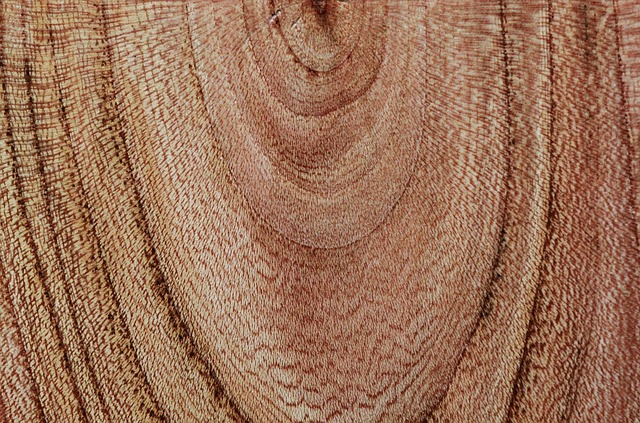

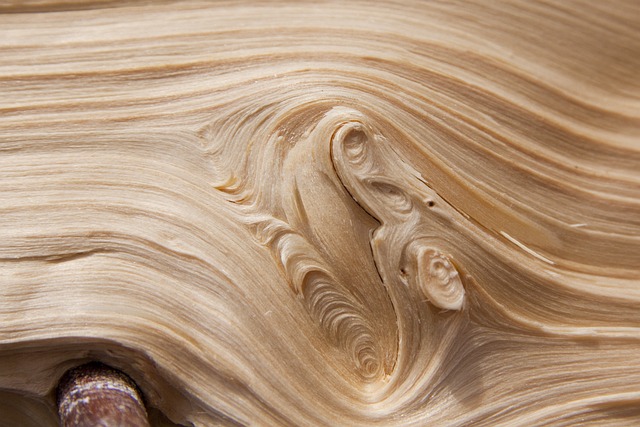
- Spiraled or Twisted Grain: Some trees, like some maples, develop a spiral or twisted grain, which can be highly decorative but challenging to process.
- Figured Grain: This includes patterns like bird’s-eye, fiddleback, or quilted grains, often found in maple and other hardwoods. Figured grains are highly sought after for decorative purposes.
- Knots and Burl Grain: Knots occur where branches were, while burls are tree growths with highly irregular grain. Both can create fascinating and unique patterns, prized in artistic woodworking.
III. Aesthetic Considerations
The choice of grain pattern depends on the intended aesthetic. For example, straight grain woods offer a classic, clean look, ideal for both modern and traditional styles. In contrast, figured grains provide a more ornate and luxurious feel, often used in high-end furniture and decorative items.
Color also plays a role in aesthetics.
The color of the wood and how it contrasts or complements the grain pattern can greatly affect the overall appearance. Woods like cherry and walnut, with their rich colors and pronounced grains, are often chosen for their warm, inviting aesthetic.
IV. Wood Grain and Furniture Design
In furniture design, the grain pattern is a key element. For instance, a straight grain might be used for the structural parts of furniture for its strength and stability, while a more decorative grain could be used for visible surfaces. The way the grain is cut - flat sawn, quarter sawn, or rift sawn - also affects the appearance and properties of the wood.
Designers often select wood based on how its grain will complement the furniture's style. A minimalist piece might use a wood with a subtle, straight grain, while an ornate, classical piece might feature a wood with a more dramatic, figured grain.
V. Woodworking Techniques to Enhance Grain
Various techniques can enhance the natural beauty of wood grain:
- Finish Selection: Oils, stains, and varnishes can accentuate or subtly change the appearance of the grain.
- Bookmatching: This involves joining two mirrored pieces of wood, creating a symmetrical, aesthetically pleasing pattern.
- Grain Orientation: Woodworkers often pay attention to the direction and orientation of the grain, aligning it for visual harmony and structural integrity.
VI. Preservation of Wood Grain
Preserving the beauty of wood grain is crucial. This involves proper sealing and protection from environmental factors like moisture and UV light. Regular maintenance, like oiling and polishing, can keep wood grains vibrant and prevent fading.
Conclusion
The aesthetics of wood grain is a testament to nature's artistry and the skill of the craftsman. Whether it's a piece of furniture, a musical instrument, or a decorative item, the grain pattern of wood plays a central role in its beauty and character.
Copyright 2020, Clearcutway